Marine Geology Laboratory
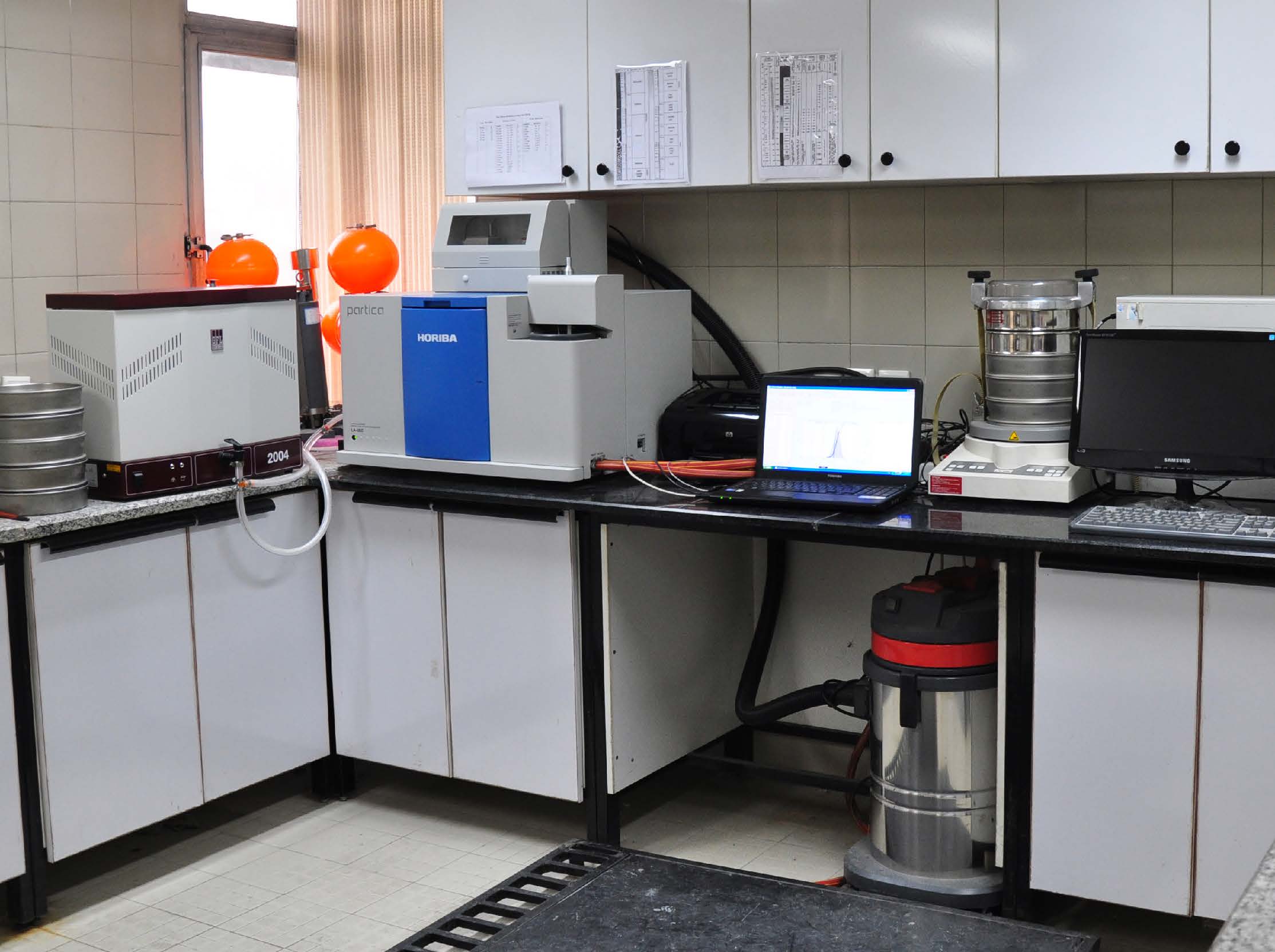
The Marine Geology Laboratory of the Iranian National Institute for Oceanography and Atmospheric Science occupies an area of approximately 50 square meters and consists of wet and dry laboratory sections. Established in 2003, the laboratory leads numerous research projects in marine geology, sedimentology, paleontology, geophysics, and coastal geomorphology.
The laboratory is equipped with a range of specialized instruments that support the identification and study of marine environments and geological processes using modern concepts and methods. The equipment has been selected to enable the study of surrounding marine environments and facilitate further research in oceanic environments. Laboratory experts are researchers with specialized knowledge and skills in marine sciences and marine geology. Marine geology laboratories at the institute's research stations along the Caspian Sea (Nowshahr), Persian Gulf (Bushehr), and Gulf of Oman and Indian Ocean (Chabahar) are also operating with specialized marine geological equipment.

Research Activities
Sedimentological Studies
Geology of Non-Biological Marine Economic Resources
Paleoclimate, Paleoecology, and Paleoceanographic Studies
Coastal Geomorphology
Marine Geological Hazard Assessment
Laboratory Analysis Workflow
1. Sampling and Initial Magnetic Assessment
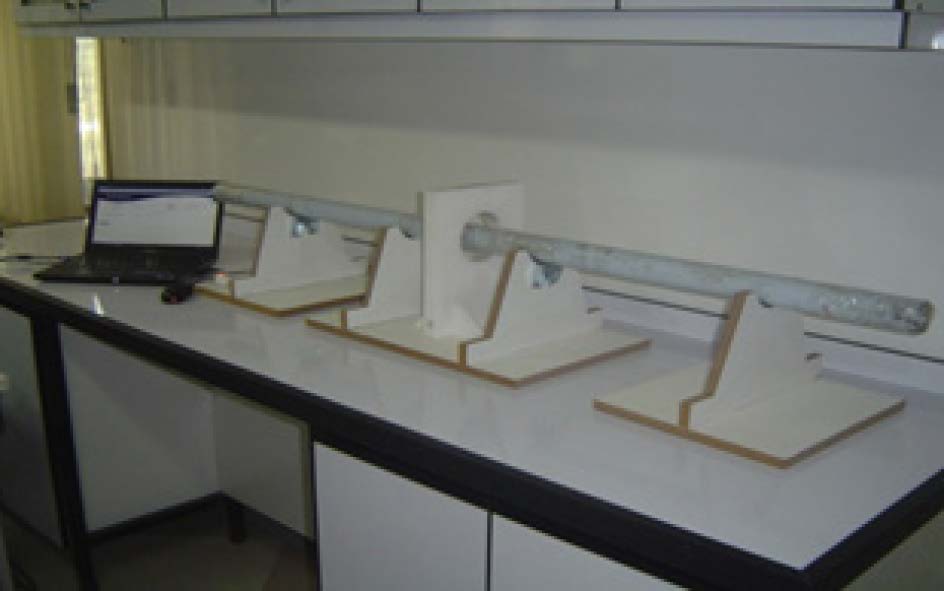
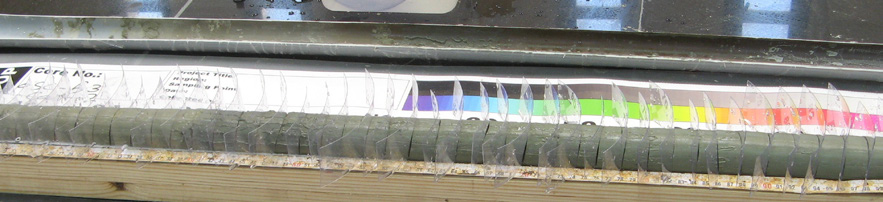
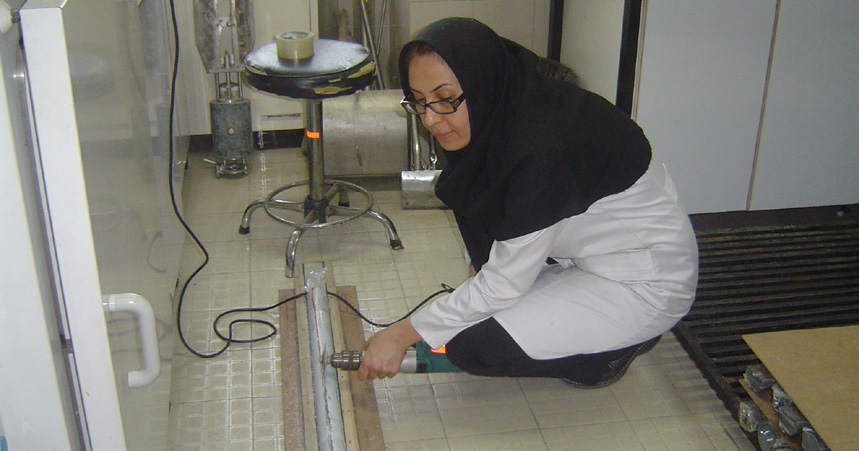
Sediment samples are collected as sediment cores using corers, while surface sediment samples are collected from study areas using grab samplers. Sediment cores are initially analyzed in the Marine Geology Laboratory using a Magnetic Susceptibility Meter.
2. Sample Preparation, Division and Archiving
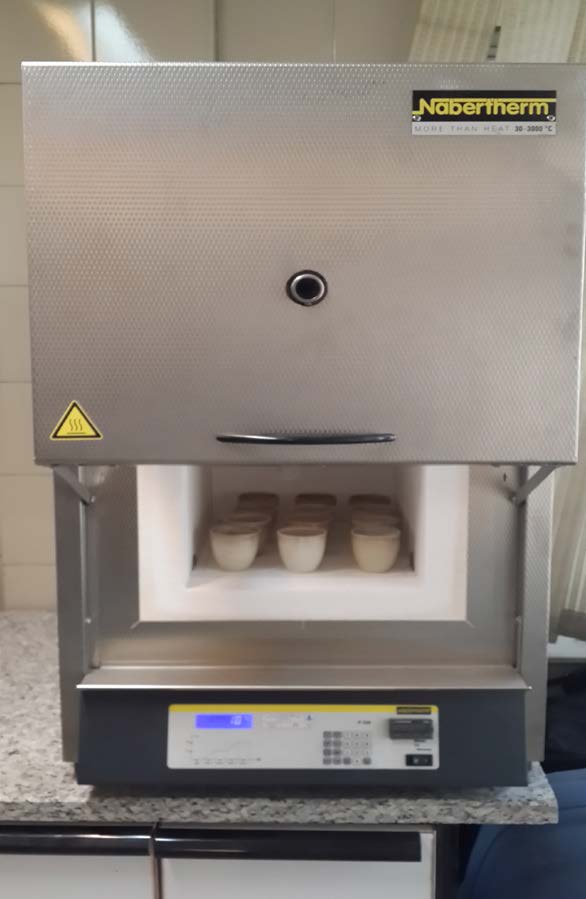
For sedimentological measurements, sediment cores are divided into two equal sections, after which smaller samples are prepared from one section. The second section of the sediment core is preserved in the laboratory archive. For surface sediments, samples are dried in an oven and then divided into uniform subsamples using a Sample Divider. One portion is used for sedimentological analyses, while the remaining portions are retained for archiving or other identification and analytical procedures.
3. Quantitative Analysis, Calcimetry and Grain-Size Analysis
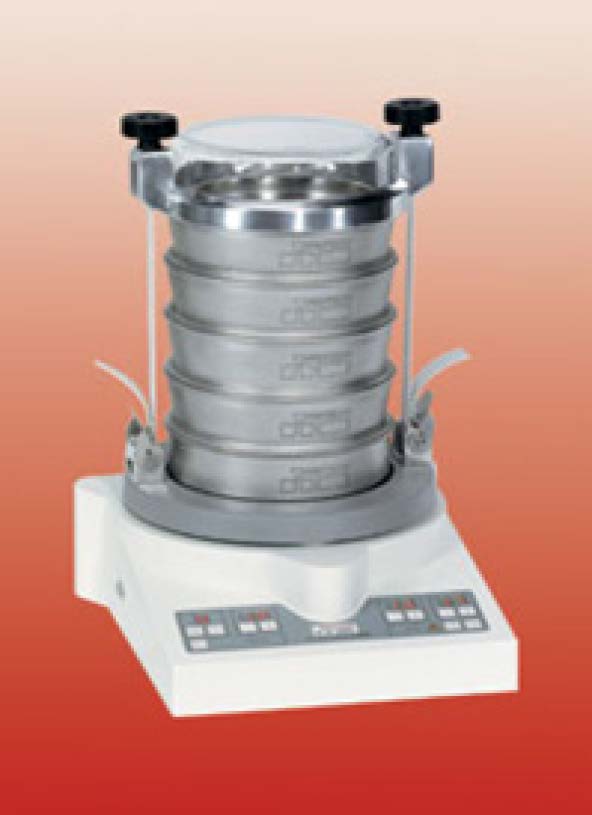
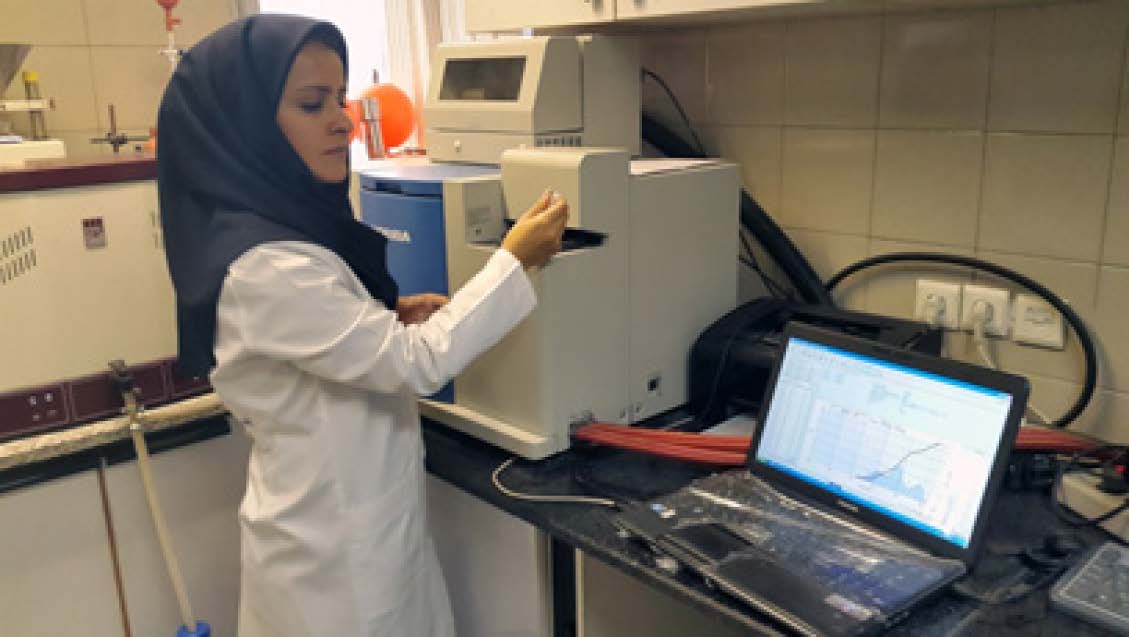
Organic matter is determined using two methods: loss on ignition (LOI) and hydrogen peroxide treatment. Calcium carbonate content is determined to characterize the siliciclastic fraction of sediments and remove carbonate material using a Bernard calcimeter. Sediment particle size distribution is determined using a sieve shaker or a Laser Particle Sizer. Suspended sediment load is determined using filtration methods.
Measurable Parameters
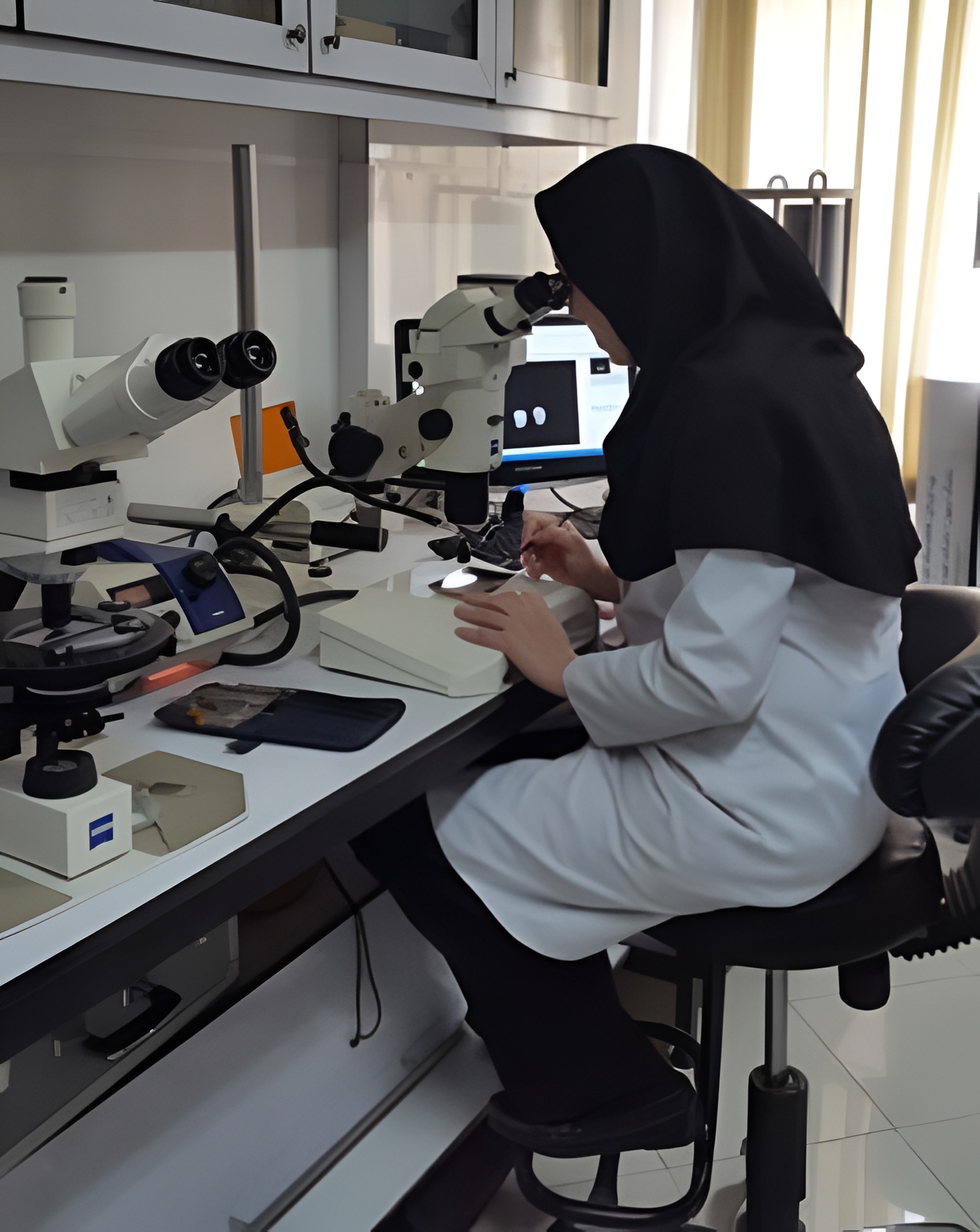
The laboratory performs measurements and analyses of physical, chemical, and biological characteristics of marine sediments using established laboratory procedures and analytical methods.
Laboratory and Specialized Equipment
Magnetic Susceptibility Meter
Magnetic susceptibility measurement system
This instrument is used to measure the magnetic properties of sediments and determine the magnetic susceptibility of sediment cores.
Laser Particle Sizer
Laser particle size analyzer
This instrument measures particles ranging from 0.01 to 3000 microns using laser light. It can be used for both wet and dry measurements with high accuracy.
Other Laboratory Equipment and Accessories