From Marine Biodiversity to Ocean Hazards: INIOAS at the 15th Science Popularization Event
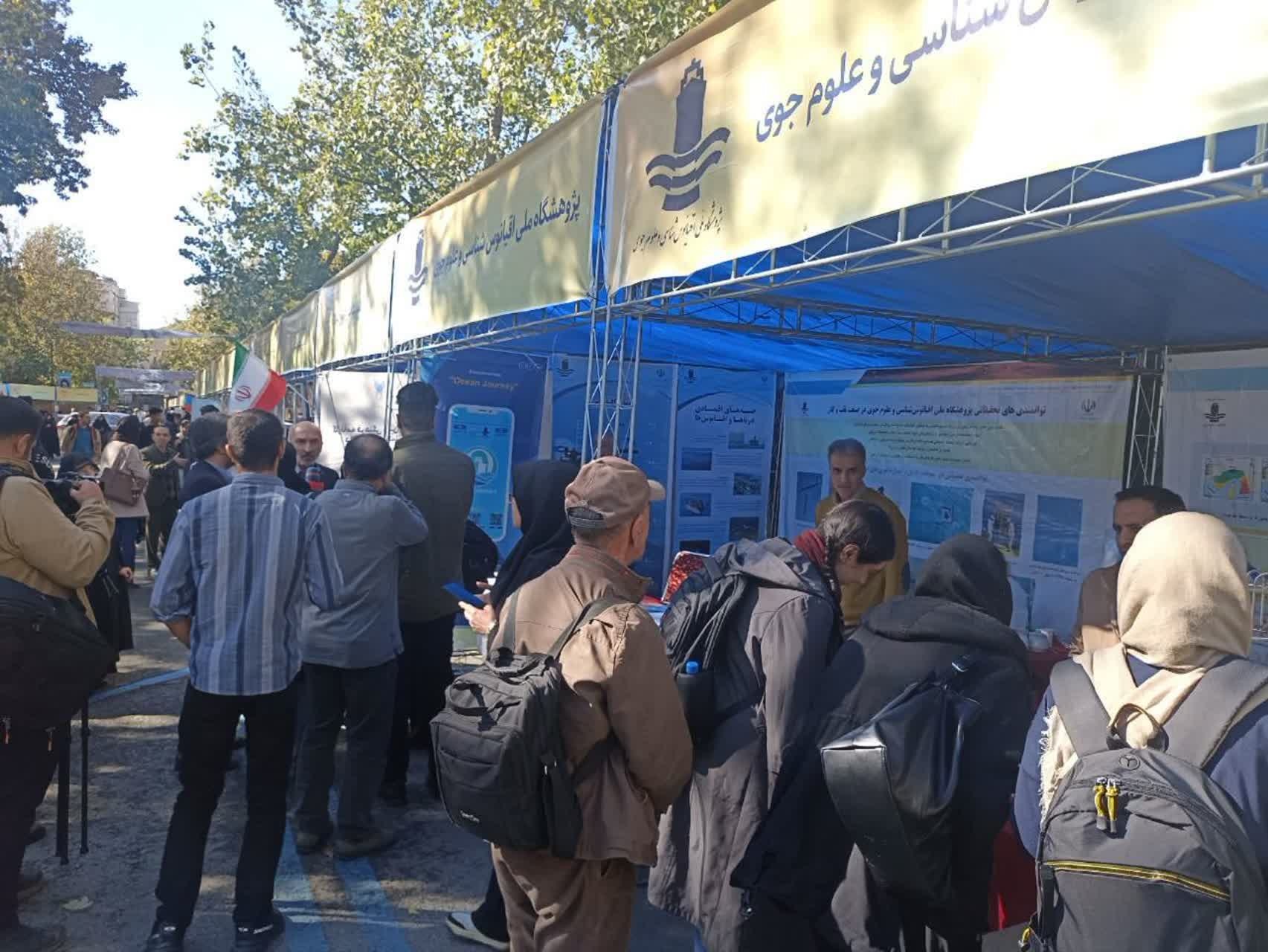
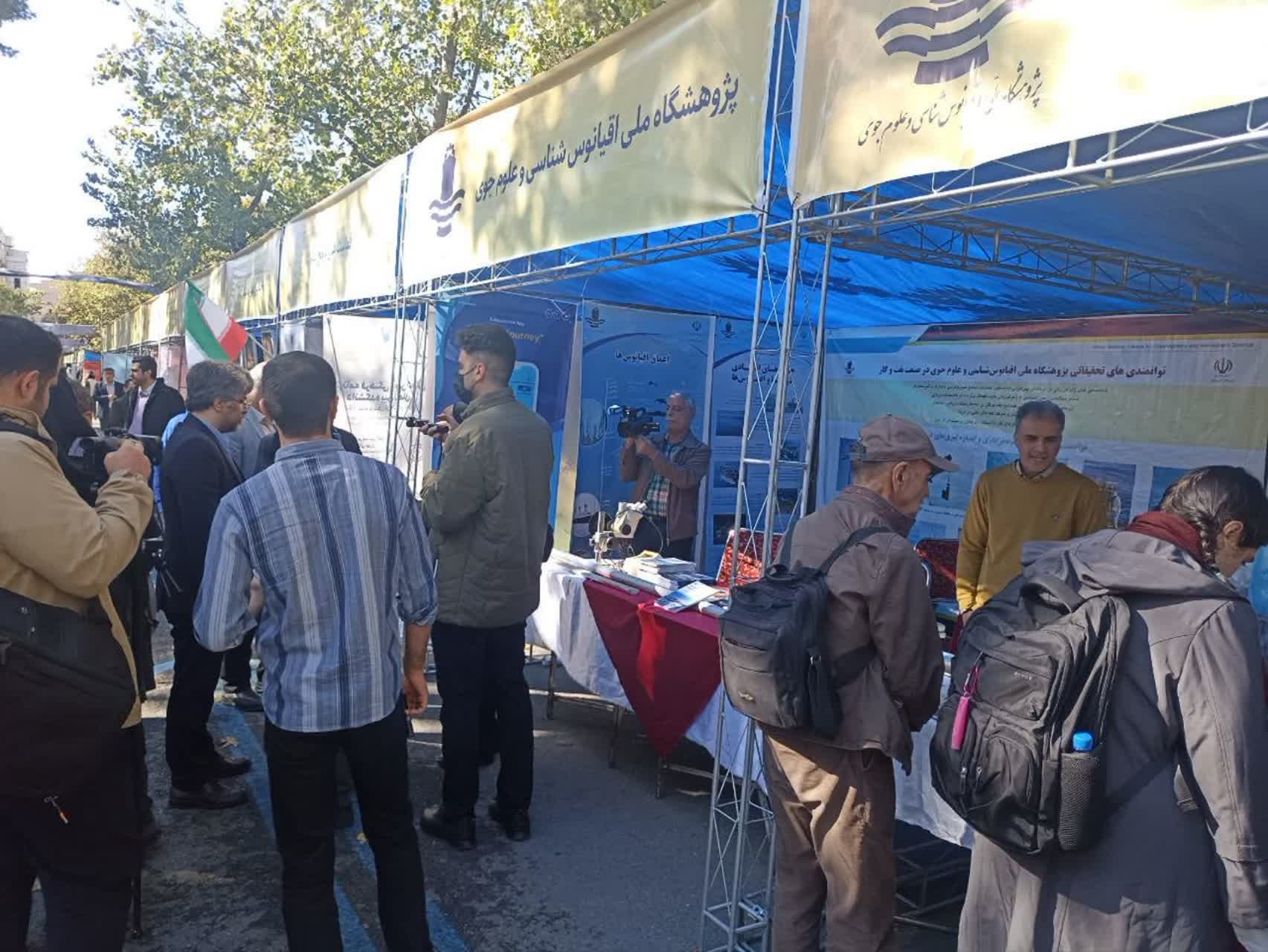
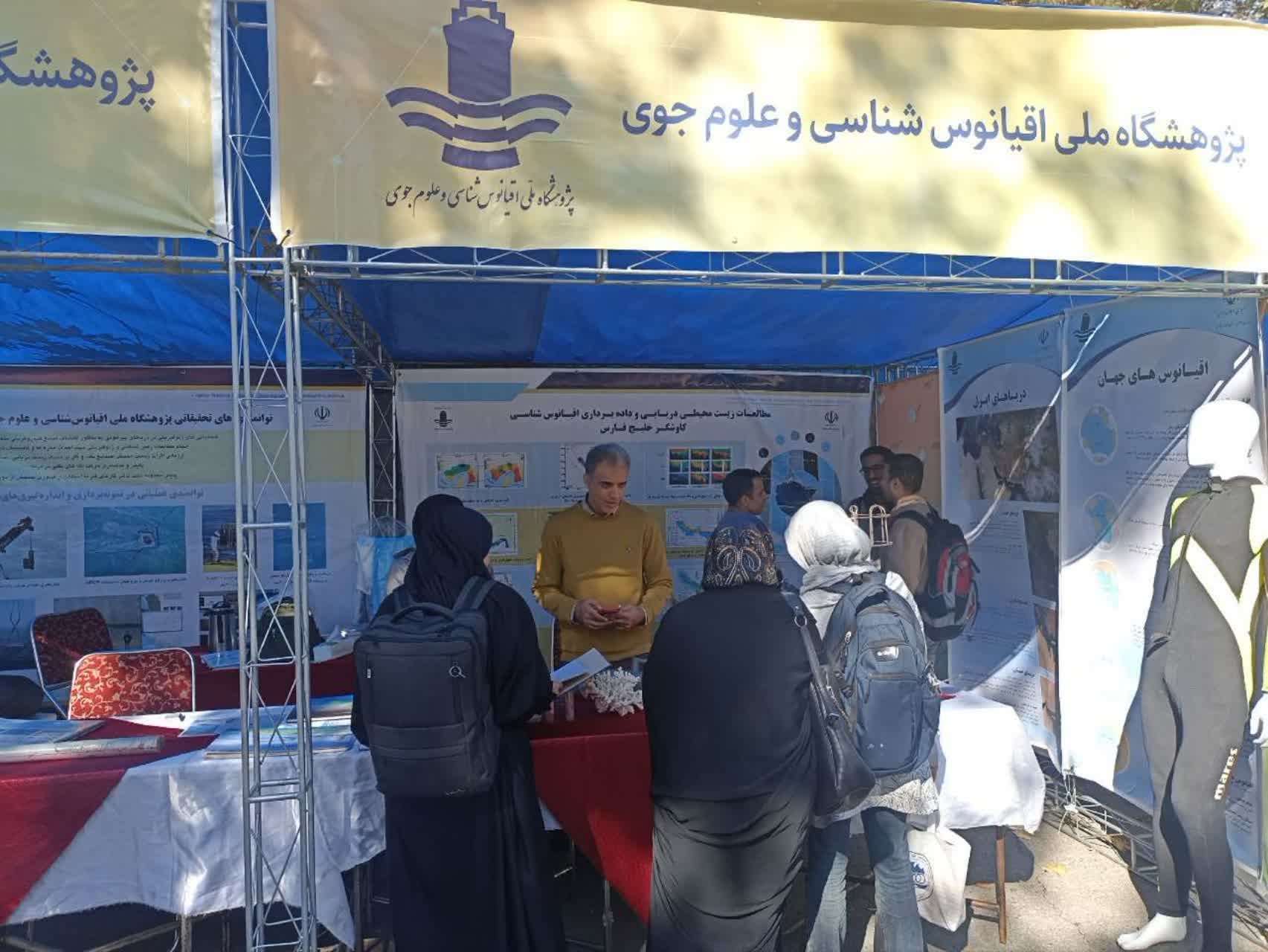
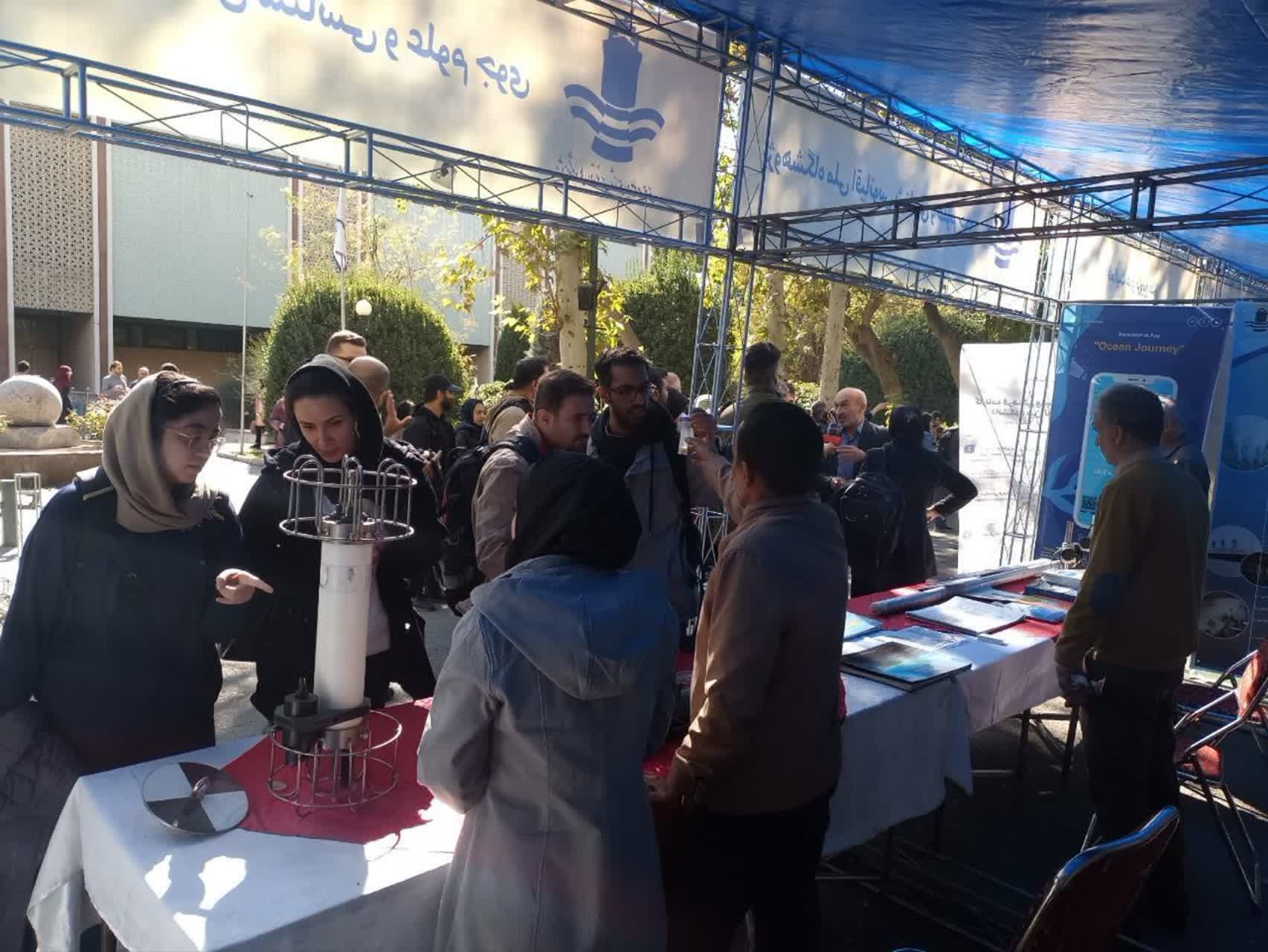
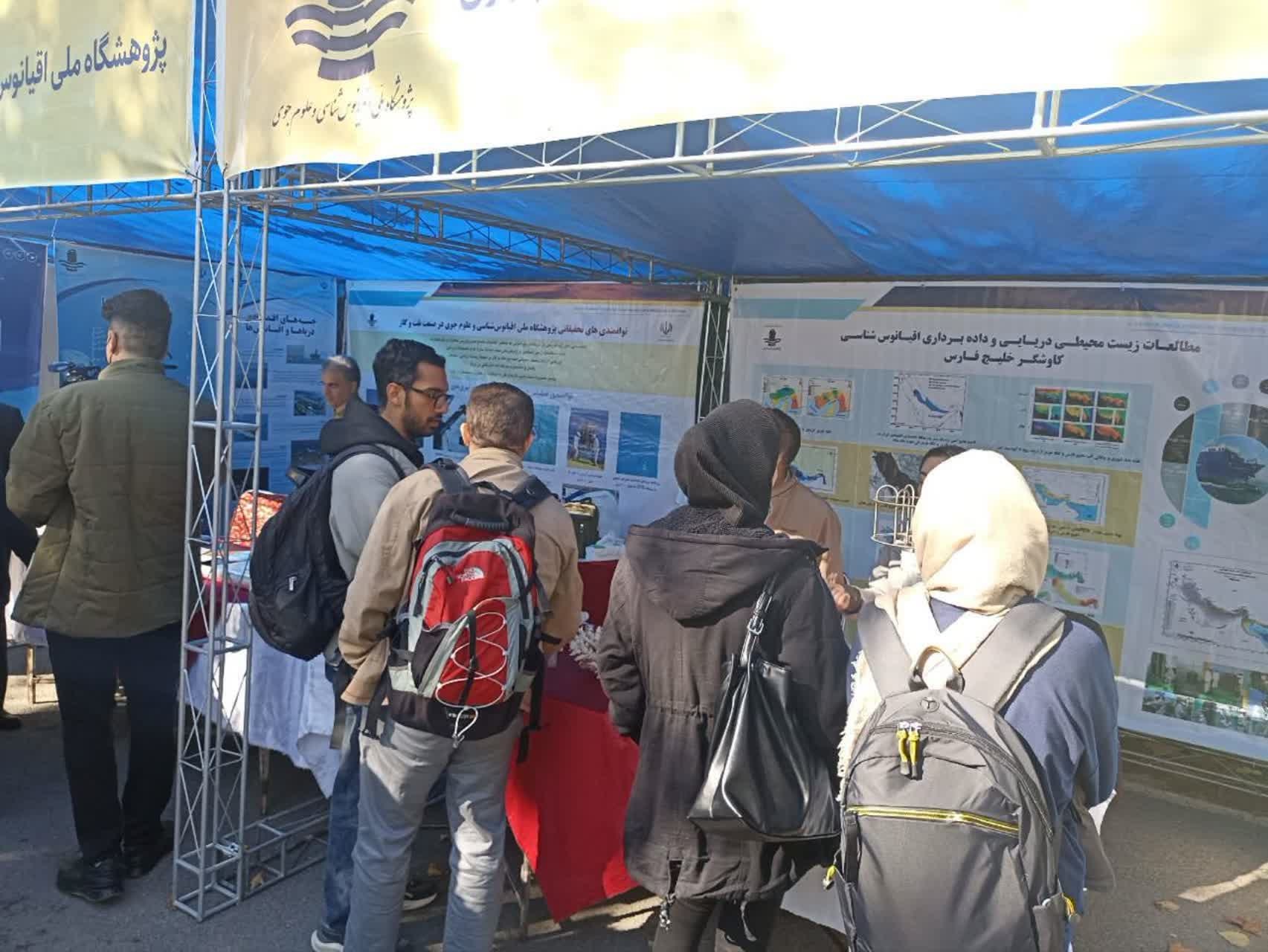
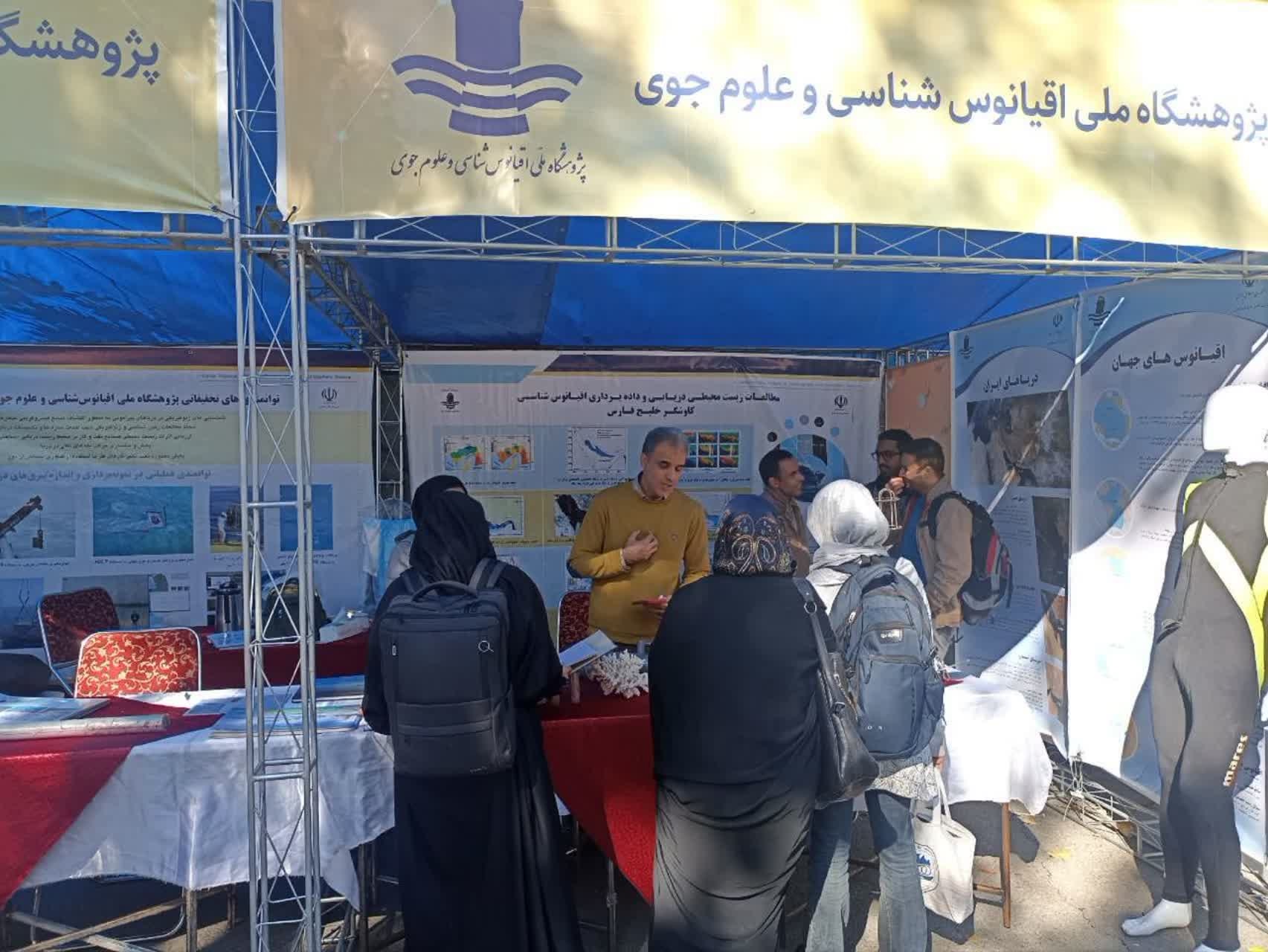
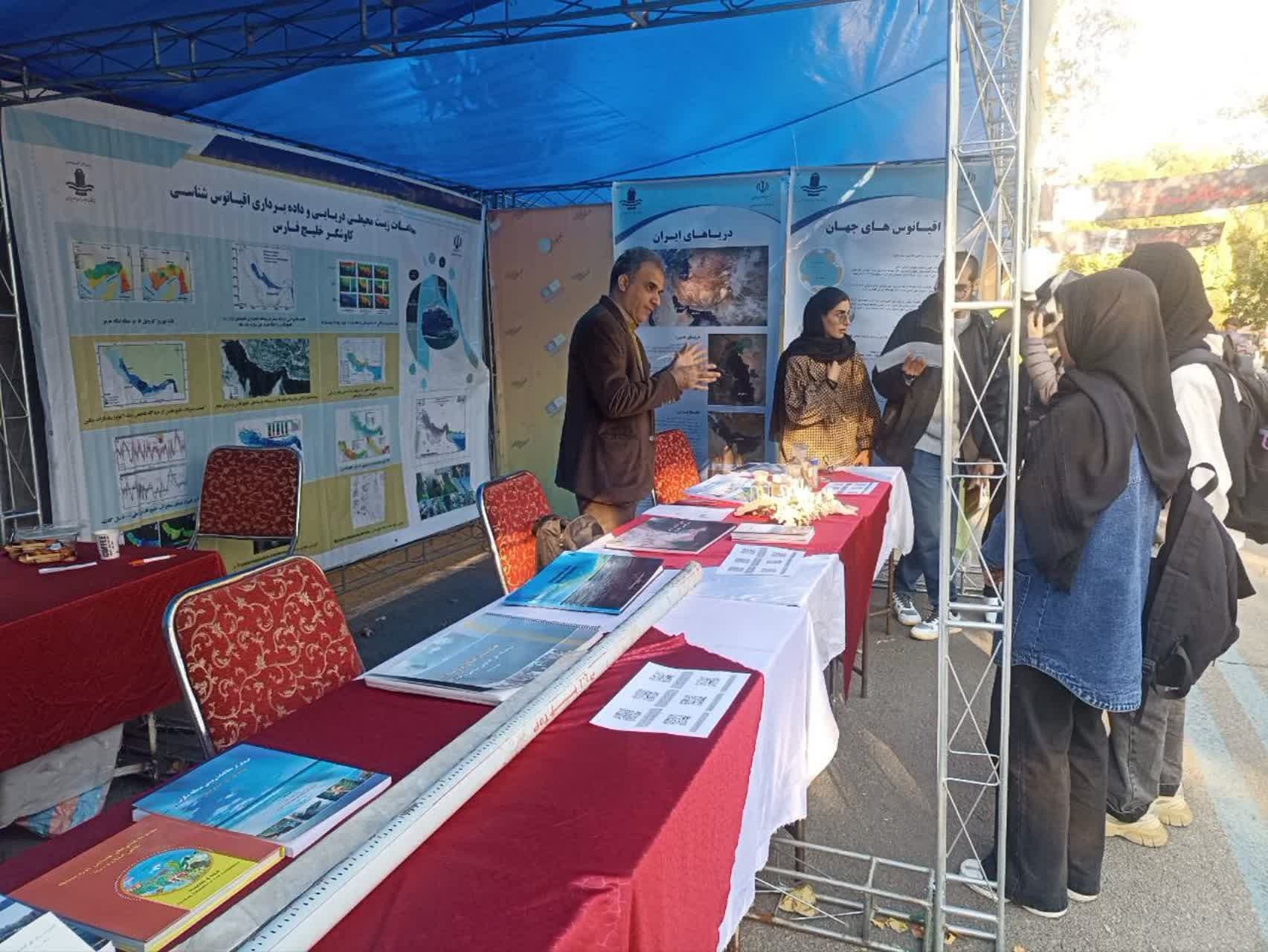
The Iranian National Institute for Oceanography and Atmospheric Science (INIOAS) participated in the 15th Science Popularization Event, held at the University of Tehran from 9 to 11 November 2026. Through its exhibition booth, the Institute presented marine specimens, oceanographic atlases, the Ocean Journey application, and educational materials on marine hazards, highlighting the importance of ocean literacy, marine biodiversity, and the monitoring and prediction of ocean-related hazards.
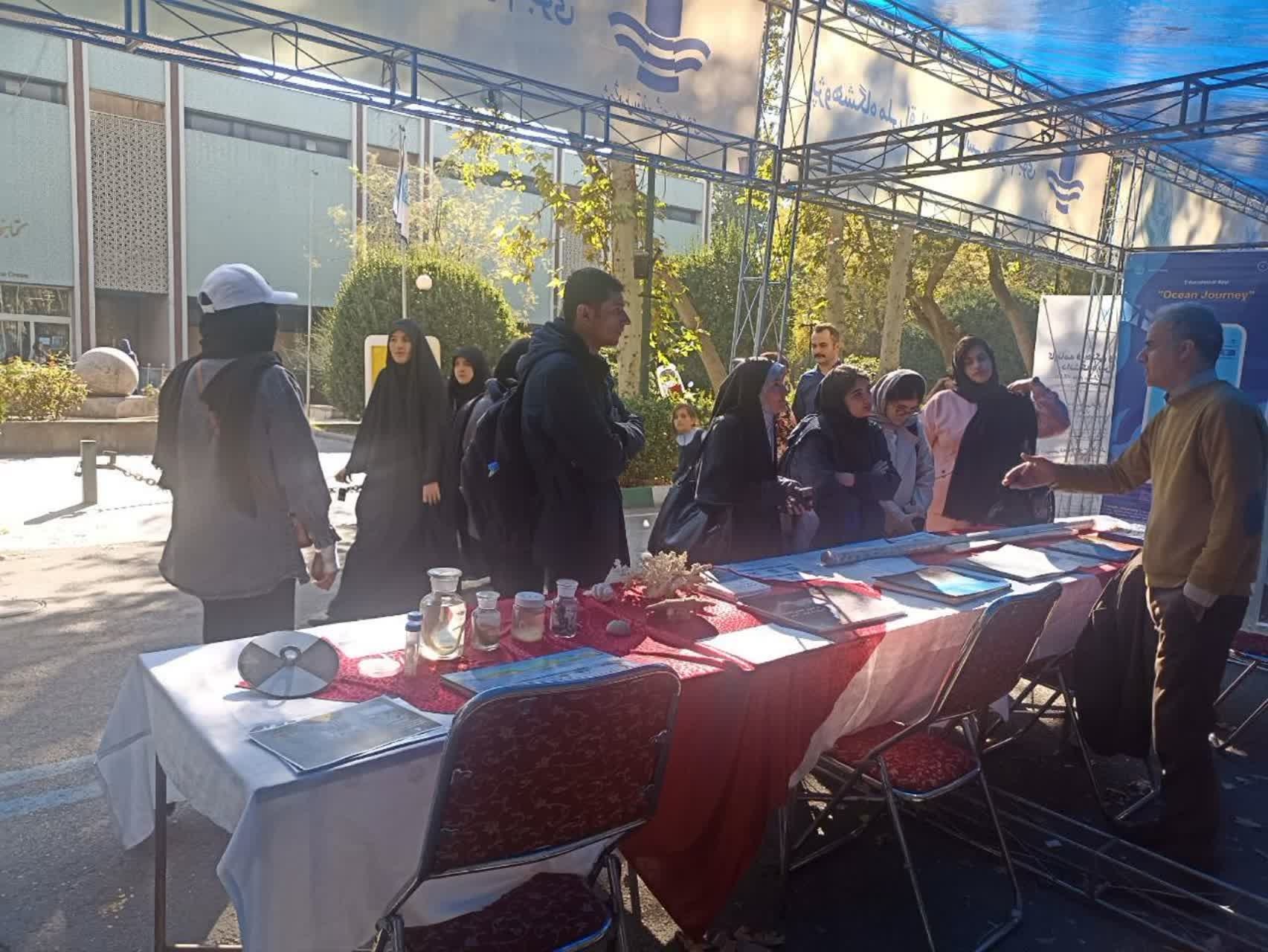
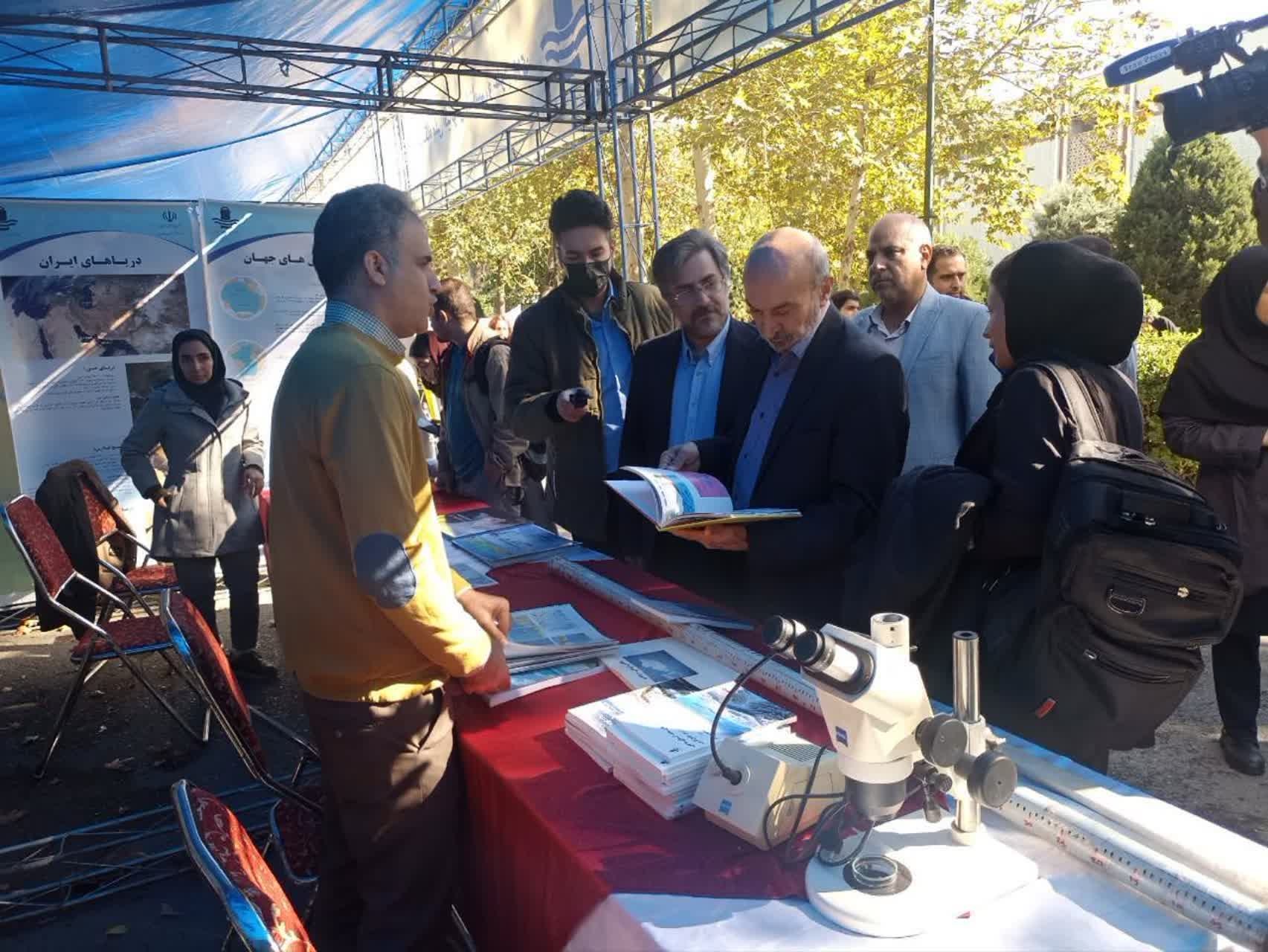
On the first day of the event, the Institute's exhibition booth was visited by Dr. Mohammad Hossein Omid, President of the University of Tehran. The booth also attracted interest from university students and faculty members, providing an opportunity for direct engagement and a closer introduction to the broad scope of marine sciences and the strategic importance of seas and oceans.
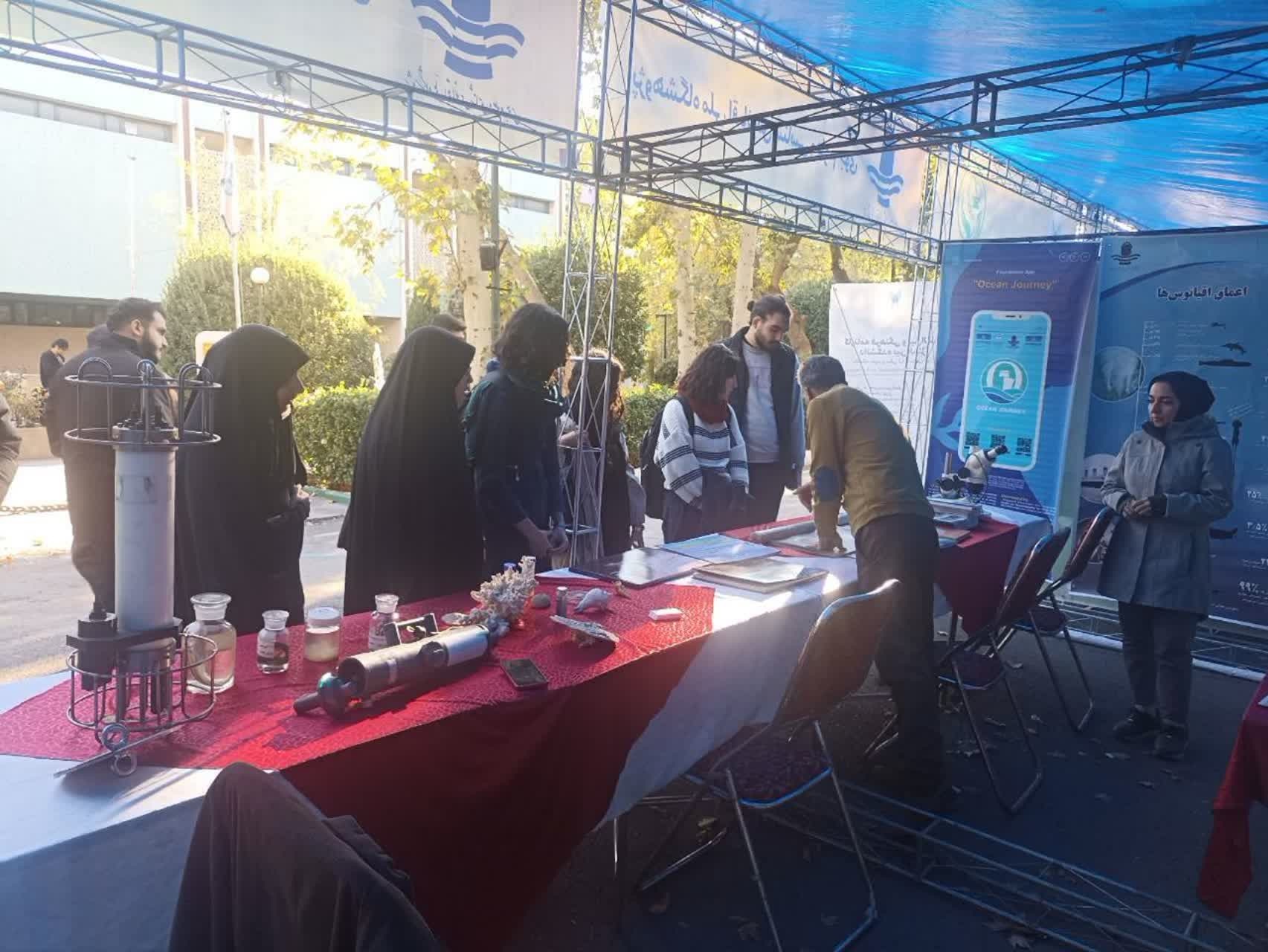
The main focus of INIOAS's participation was to present marine science in an accessible and engaging way and to raise awareness of the role of seas and oceans in everyday life, the economy, the environment, and sustainable development. To this end, the Ocean Journey application and a collection of ocean literacy questions were made available to visitors to encourage curiosity and stimulate greater interest in marine environments. The Institute's scientific and educational bulletins were also introduced.
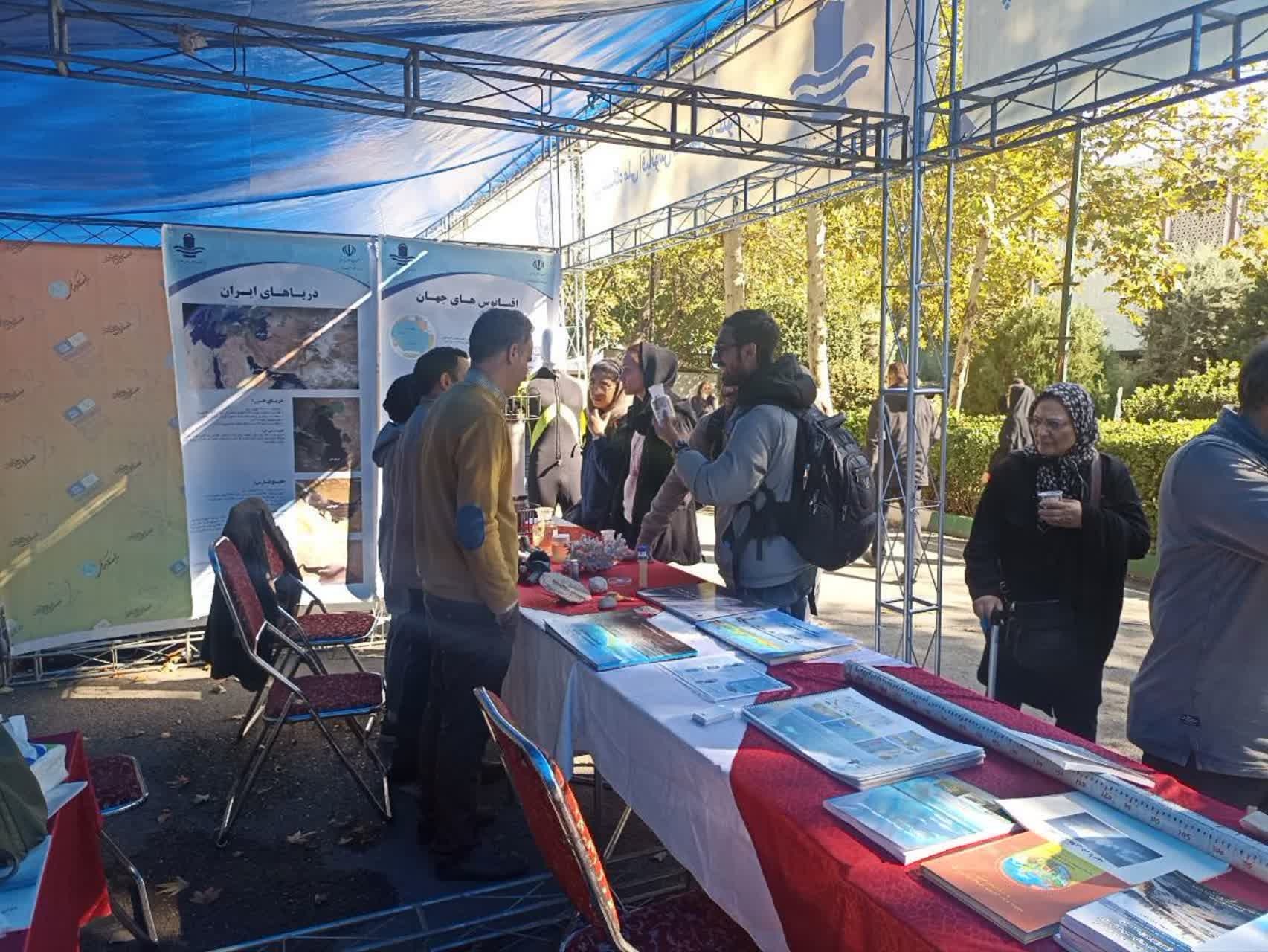
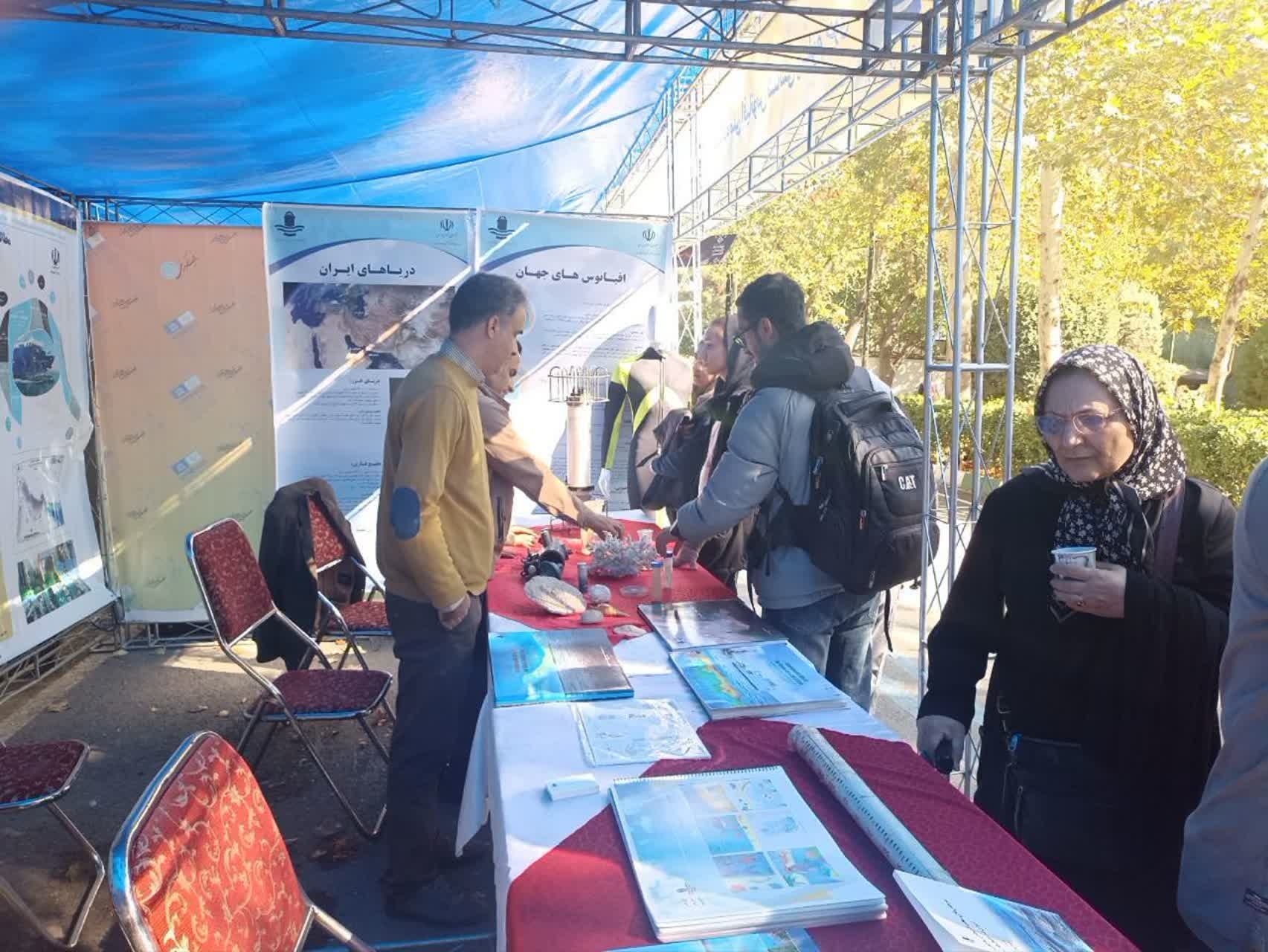
Part of the exhibition was dedicated to marine organisms and specimens. These included coral skeletons, various shells and mollusks, barnacles, and skeleton shrimp, representing benthic organisms (benthos). Other exhibits included jellyfish, gobies, and beluga sturgeon from the Caspian Sea, representing swimming marine organisms (nekton), as well as plankton samples. Together, these specimens offered visitors an opportunity to explore marine biodiversity and become familiar with the major groups of marine organisms.
Showcasing Iran's research capabilities in oceanography was another key component of the exhibition. Oceanographic atlases of the Persian Gulf, the Sea of Oman, and the Caspian Sea, along with the Atlas of Pollution along the Makran Coast, were presented to familiarize visitors with selected datasets, research activities, and scientific achievements of the Institute in the study and monitoring of the country's marine environments.
Marine hazards were also among the topics highlighted at the booth. These included tsunamis, rip currents, marine hypoxia, tropical cyclones, and harmful algal blooms. The educational materials aimed to raise awareness of natural and environmental hazards in marine settings and emphasize the importance of understanding, monitoring, and forecasting these phenomena to protect marine ecosystems and coastal communities.
INIOAS's participation in the event provided an opportunity to showcase its scientific and educational achievements, strengthen direct engagement with the academic community, and introduce visitors to the broad scope of marine sciences and their role in understanding, protecting, and sustainably utilizing seas and oceans.