Reducing the water level of the Caspian Sea and its environmental effects
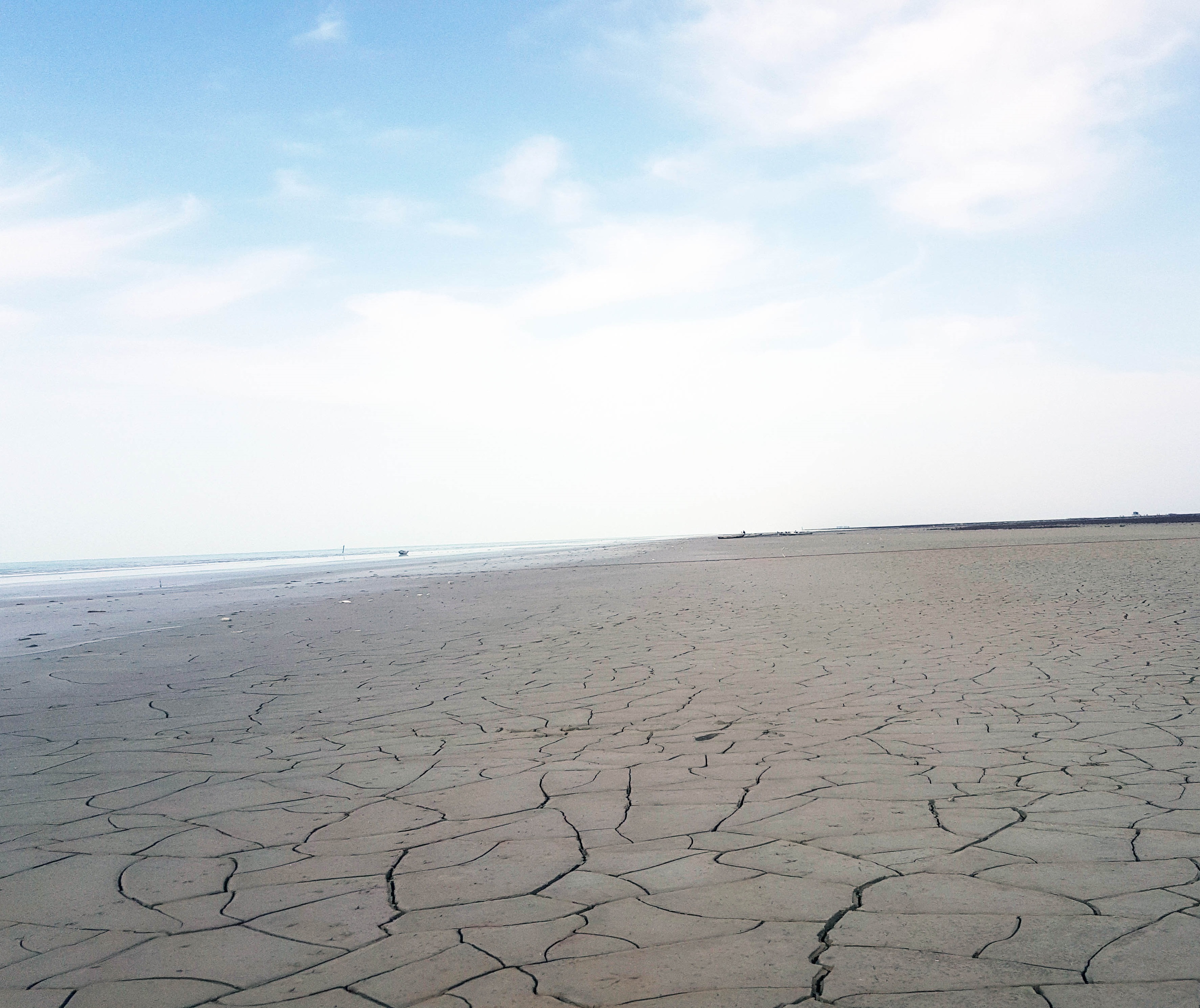
The average water level of the Caspian Sea in 2022 reached -28.70 and at the end of 2023 it decreased again and reached -28.99, which means a decrease of about 30 centimeters in one year. The flow of the Volga River in the upstream of the delta is on average 238 cubic kilometers per year (238 billion cubic meters per year). In 2022, the flow of the Volga River was 212 cubic kilometers and in 2023 it will be 5.207 cubic kilometers decreased. In the first four months of 2024, the flow of the Volga is similar to the flow of the same period in 2022 and 2023.
According to the forecast of the Russian Hydrometeorological Organization, the water level is expected to decrease this year as well. Based on this, the amount of water level reduction at the end of this year will be 15 cm. At the same time, global warming and an increase in the surface temperature of the Caspian Sea, as well as change The wind regime over the sea has accelerated the reduction of the water level of the Caspian Sea. It is expected that the depth and area of coastal wetlands will continue to decrease this year. Also, low oxygen conditions are expected to spread in the deep parts of the sea, which causes the formation of hydrogen sulphide in deep waters and the consequence of which will be the hardening of the ecological conditions for many aquatic animals.
 Fluctuation of the Caspian Sea water level from 1900 until now |
 A decrease of thirty centimeters in the water level of the Caspian Sea in 2023 |
 The possibility of a 15 cm drop in the Caspian Sea water level at the end of this year |
Sources:
1- Bulletin of the Hydrometeorological Center of Russia No. 36 dated 04/19/2024
2- Lahijani, H., S.A.G. Leroy, K. Arpe, J.-F. Crétaux, Caspian Sea level changes during instrumental period, its impact and forecast: A review, Earth-Science Reviews,Volume 241, 2023,104428,
https://doi.org/10.1016/j.earscirev.2023.104428.
3- Lahijani, H., Jafar Azizpour, Klaus Arpe, Behrooz Abtahi, Reza Rahnama, Parvin Ghafarian, Mohammad Ali Hamzeh, Ali Hamzehpour, Mohammadreza Mohammadpour Penchah, Seyed Masoud Mahmoudof, Tracking of sea level impact on Caspian Ramsar sites and potential restoration of the Gorgan Bay on the southeast Caspian coast, Science of The Total Environment, Volume 857, Part 1,2023,158833, https://doi.org/10.1016/j.scitotenv.2022.158833.
Compiled from the above sources: Hamid Alizadeh Lahijani, a member of the scientific board of the National Research Institute of Oceanography and Atmospheric Sciences