In a conversation with IRNA, Dr. Hamzaei announced: The increase in the surface temperature of the waters of the Persian Gulf due to climate change
Director of Hormozgan Oceanographic Center:
The surface temperature of the Persian Gulf increased due to climate change
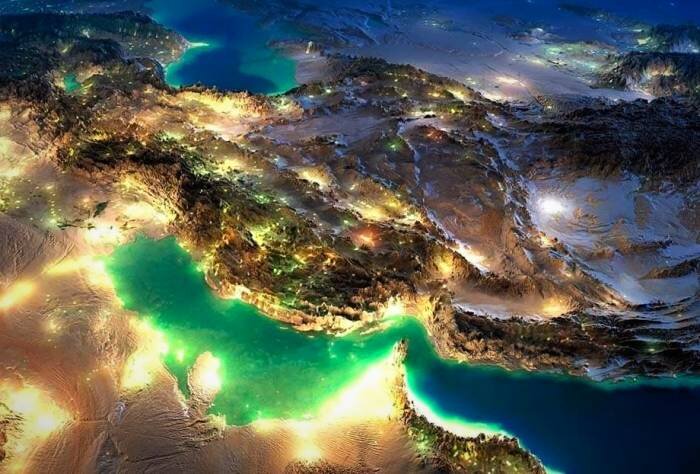
The head of Hormozgan Oceanology Center announced: The maximum surface temperature of the waters of the Persian Gulf in the last 2 decades has increased by more than 2.6 degrees Celsius due to the increase in global temperature, which can have destructive effects on the marine ecosystem, the lives of humans and other creatures.
In an interview with IRNA, Dr. Samad Hamzaei said, referring to the most important reasons for the increase in temperature in the Persian Gulf: the most important reasons for the increase in temperature in the Persian Gulf include climate change, global warming, increase in greenhouse gases, and destructive human activities; Field and satellite data show that the maximum average water surface temperature in the Persian Gulf has reached more than 36°C, while the daily average maximum ocean surface temperature is about 21°C.
He stated: This increase in temperature can lead to the bleaching of corals and inappropriate biological changes in the habitats, which result in the migration or reduction of the population of many marine species and cause the replacement of invasive species instead of useful native species and increase phenomena such as the harmful bloom of phytoplankton (red killer).
Hamzaei also pointed out the obstacles to reducing the temperature increase in the Persian Gulf and stated: insufficient investment in green technologies, oil and industrial pollution, and the low level of regional and international cooperation are among these obstacles.
The head of the Hormozgan Oceanographic Center stated: Political tensions and geopolitical rivalries prevent international cooperation to deal with climate change, and the lack of proper infrastructure also makes the countries of the region unable to effectively deal with the rise in temperature.
Reduction of dissolved oxygen as a result of increasing water temperature in the Persian Gulf
The head of the Hormozgan Oceanographic Center also pointed to the decrease in dissolved oxygen in the waters of the Persian Gulf as another consequence of the increase in water temperature and said: the entry of urban and industrial sewage and organic substances into the coastal waters of the Persian Gulf has caused a decrease in dissolved oxygen; An increase in water temperature also reduces the solubility of oxygen in seawater, which can lead to hypoxia (lack of oxygen).
Bacterial decomposition of organic materials and the remains of dead bodies of living organisms also consumes oxygen, the reduction of oxygen can cause the widespread death of fishing fish and other marine organisms. Hamzaei called the decomposition of organic materials caused by the death of phytoplanktons as another destructive factor in the Persian Gulf ecosystem and added: the bacterial decomposition of organic materials and the remains of dead bodies of living organisms also consumes oxygen; Depletion of oxygen can cause widespread mortality of fisheries fish and other marine life.
He clarified: The acidification of the Persian Gulf is another important environmental challenge of this region. This phenomenon occurs due to the increase of carbon dioxide in the atmosphere and its absorption by the waters of the Persian Gulf. According to studies, the rate of acidification in the Persian Gulf is about seven tenths of a percent per decade, which is twice the global average rate. This acidification has many negative effects on the marine ecosystem, including the destruction of coral habitats and crustaceans that have a calcium carbonate shell and are weakened or destroyed in an acidic environment.
The creation of dead sea zones in the Persian Gulf due to the severe reduction of dissolved oxygen in water
The head of the Hormozgan Oceanographic Center stated that the dead sea areasDead Zones) are caused in the Persian Gulf due to a severe decrease in dissolved oxygen in the water, said: This phenomenon depends on various factors, including global warming, increase in water temperature, industrial and oil activities, and the entry of sewage and chemical fertilizers containing phosphorus and nitrogen into the waters of the Persian Gulf; Phytoplanktons are organisms that, after death and decomposition, consume water oxygen and create dead sea zones. Dead sea zones have many negative effects on the marine ecosystem, including reducing biodiversity and destroying marine habitats.
dead sea zonesDead Zones) are created in the Persian Gulf due to the severe reduction of dissolved oxygen in water, and he noted: To prevent climate change in the Persian Gulf, several measures can be taken, which include reducing greenhouse gas emissions with the cooperation of the Persian Gulf countries through investment in renewable energy such as the use of marine, solar and wind energy; Also, increasing international cooperation is necessary to sustainably maintain the ecosystem of the Persian Gulf, and regional and international cooperation to deal with climate change and the implementation of joint environmental projects can lead to the reduction of destructive human activities.
Hamzaei emphasized on the sustainable management of water resources and reducing the number of desalination plants and said: the optimal use of water resources and the reduction of water wastage in the residential, agricultural and industrial sectors can help reduce the number of desalination plants in the Persian Gulf and reduce the pressure on aquatic ecosystems.
Referring to the protection of marine ecosystems, he added: the creation of new marine protected areas and the implementation of restoration programs for coral habitats and other sensitive ecosystems can help preserve biodiversity, education and awareness will also play an important role in preserving the Persian Gulf ecosystem, because increasing public awareness about climate change and its effects and encouraging sustainable behavior can play an important role in reducing the negative effects of destructive human activities.