In a conversation with IRNA, it was mentioned: the Persian Gulf; A natural factory to form carbonates and remove carbon from the ocean cycle
 |
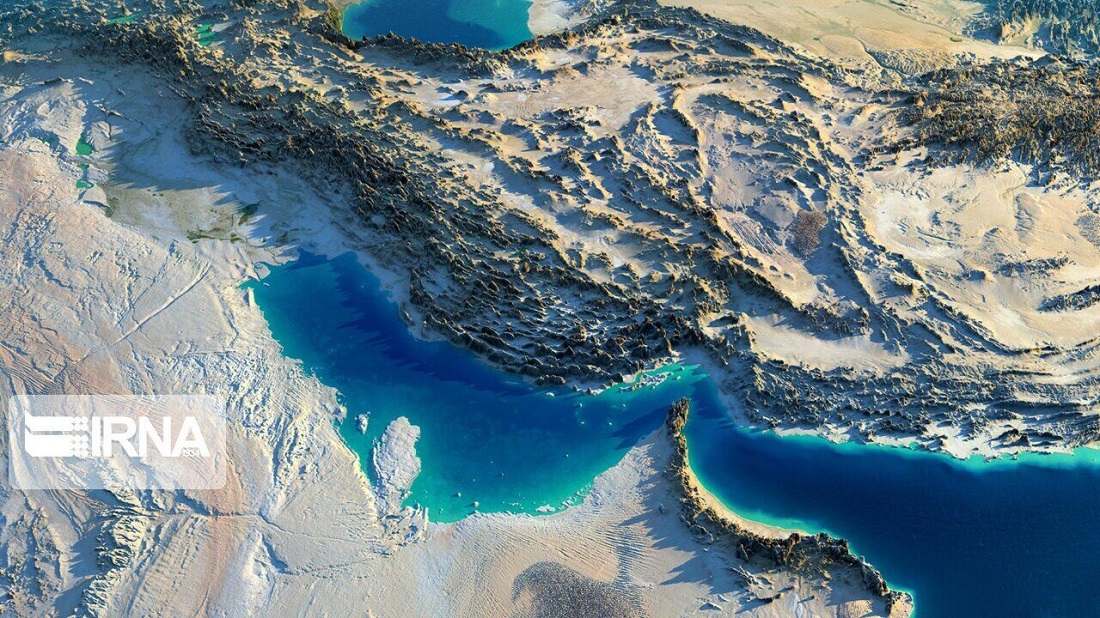
Tehran - IRNA - A member of the scientific staff of the National Research Institute of Oceanography and Atmospheric Sciences considered the Persian Gulf a natural factory for the formation of carbonates and removal of carbon from the ocean cycle and said: semi-closed bays and less studied areas can play a key role in the global carbon cycle, a role that should not be ignored in regional and global climate planning..
Abolfazl Saleh On Sunday, in an interview with a scientific reporter Irena Regarding the new study of the National Research Institute of Oceanography and Atmospheric Sciences about the active and natural role of the Persian Gulf in removing inorganic carbon from the global cycle, he said: In a situation where the world is looking for ways to effectively remove carbon dioxide to deal with climate change CO₂ From the atmosphere-ocean cycle, increasing attention has been drawn to new technologies such as marine climate engineering, measures that seek to facilitate carbon uptake by the oceans through processes such as marine fertilization, increased carbonate formation, or alkalinity injection..
The member of the scientific staff of the research institute added: In the new assessment of the active and natural role of the Persian Gulf in removing inorganic carbon from the global cycle, there is an important point, and that is that it not only plays a significant role, but also comes with rates comparable to some man-made interventions..
Saleh listed the impressive annual collection of mineral carbon through biological sedimentation as one of the key points of this research institute's study and said: Based on the analysis of water alkalinity reduction in different regions of the Persian Gulf, the researchers of this research have estimated that about 3.7 Millions of tons of inorganic carbon are removed from the water column per year.
The member of the scientific staff of the National Research Institute of Oceanography and Atmospheric Sciences further added: this carbon is formed in the form of calcium carbonate, which is deposited on the seabed, and in equivalent words 31 million tons of calcium carbonate or 14 million tons of carbon dioxide, and a limited number of organisms, especially molluscs, followed by calcareous algae, corals, foraminifera, bryozoans, and echinoderms, play a role in realizing this process..
Saleh mentioned the significant sedimentation rate as another key point of this research institute's study and added: The removal of calcium carbonate from the water of the Persian Gulf causes the production of carbonate minerals such as calcite and aragonite in the bed of the Persian Gulf. Also, the rate of formation of these sediments from water, considering the area of the Persian Gulf 239 One thousand square kilometers, approx ۴ until ۸ mm per century. This figure is consistent with the available information on sedimentation in the Persian Gulf and indicates the geochemical importance of the region..
The tendency of the Persian Gulf to absorb atmospheric carbon dioxide in the summer is the third key element of the study of this institute, which a member of the scientific staff of the National Research Institute of Oceanography and Atmospheric Sciences explained about this: the results of the analysis of the partial pressure of carbon dioxide in the surface waters of the Persian Gulf show that in the summer more than 85 A percentage of the surface of the Persian Gulf acts as an absorber of carbon dioxide from the atmosphere. In other words, in the warm half of the year, the Persian Gulf is not only a source of carbon dioxide production into the atmosphere, but also helps in absorbing it and adjusting its concentration in the atmosphere..
Saleh considered the favorable conditions for the stability of the skeleton of corals and oysters as the fourth key element and said: In all sampled stations and all depths of the Persian Gulf, the water has supersaturated conditions with respect to calcium carbonate mineral. These conditions are very vital for the formation and stability of carbonate sediments and the survival of carbonate-forming organisms such as hard corals, shelled molluscs, and others..
Saleh mentioned the significant sedimentation rate as another key point of this research institute's study and added: removing calcium carbonate from the water of the Persian Gulf causes the production of carbonate minerals such as calcite and aragonite in the bed of the Persian Gulf. Also, the rate of formation of these sediments from water, considering the area of the Persian Gulf 239 One thousand square kilometers, approx ۴ until ۸ mm per century. This figure is consistent with the available information on sedimentation in the Persian Gulf and indicates the geochemical importance of the region..
He continued: In supersaturated conditions, the formation of calcium carbonate mineral crystals is facilitated and the formed materials remain stable in water. To make it easier to understand, consider the condition of water saturated with salt, how easily salt crystals form on the surface of the container..
Member of the scientific staff of the National Research Institute of Oceanography and Atmospheric Sciences, change in the share of carbon harvesting processes; called an alarm for the future as the fifth key element in these studies and said: despite this impressive natural function, the research results show that the share of photosynthesis (primary production) in carbon harvesting is increasing compared to carbonate formation.
He added: This change can be considered a sign of a change in the bio-geochemical regime of the Persian Gulf, a change that may be caused by climatic or human factors such as the widespread mortality of corals, the effects of human warming and destruction, the contamination of the Persian Gulf with nutrients from sewage and regional climate effects, highlighting the need for additional studies..