Warning about the threat of changes in the nutrient regime and hydrography of the Persian Gulf
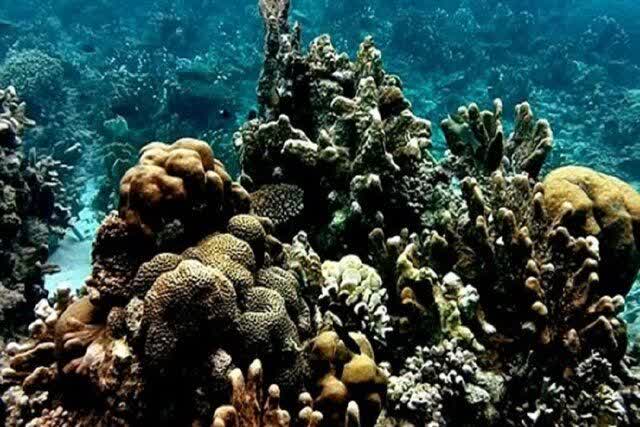
According to the latest research conducted by the researchers of the National Research Institute of Oceanography and Atmospheric Sciences, nutrients are essential building blocks for life in the oceans and they strengthen the growth of microalgae called phytoplankton, which form the basis of the food web in the sea. But excess nutrients can cause algal blooms, some of which produce toxins harmful to marine life and humans.
According to Isna, nutrients in balanced amounts guarantee the health of marine ecosystems, including fish, corals and many other forms of marine life. But when nutrient levels get too high—often due to agricultural runoff, municipal sewage, and industrial effluent entering the marine environment—they can upset this balance. Excess nutrients can cause algal blooms, some of which produce toxins harmful to marine life and humans. The decomposition of these microalgae consumes the oxygen in the water and creates so-called dead zones, in which the living conditions of many aquatic animals are endangered. In this way, contrary to what appears to be an excess of these life-giving elements, it can actually stress marine ecosystems and threaten biodiversity.
The new study "Tracking decadal changes in the nutrient regime and hydrography of the Persian Gulf (1977 to 2022)" by the researchers of the National Research Institute of Oceanography and Atmospheric Sciences shows that the waters of the Persian Gulf in the Iranian half have warmed by about 2.2 degrees Celsius in January 2022 compared to February 1977; An issue that has serious consequences for marine life and ecosystems of this water area.
This research, conducted by Dr. Maryam Ghaemi and her research team, shows the significant changes in the water chemistry of the Persian Gulf over the past 45 years:
* The concentration of dissolved nitrogen has increased more than four times.
* Soluble phosphorus has decreased by about 1/4 times.
* Soluble silicon has increased significantly.
These changes have caused the Persian Gulf to change from a situation in the 1970s when it faced only nitrogen limitations to a complex combination of nitrogen, phosphorus and silica limitations. Such a change can affect phytoplankton, fisheries and coral reefs.
The authors warn that climate change and human interventions are changing this vital sea and emphasize the necessity of continuous monitoring and regional cooperation to protect the ecological health of the Persian Gulf.
According to the National Institute of Oceanography, the results of this research have been published in the form of an article in 2025 in the international publication Marine Pollution Bulletin.
end of message
short link
isna.ir/xdV6pD
