Signing of a Memorandum of Understanding between the National Research Institute of Oceanography and Atmospheric Sciences and the International Research Institute of Seismology and Earthquake Engineering
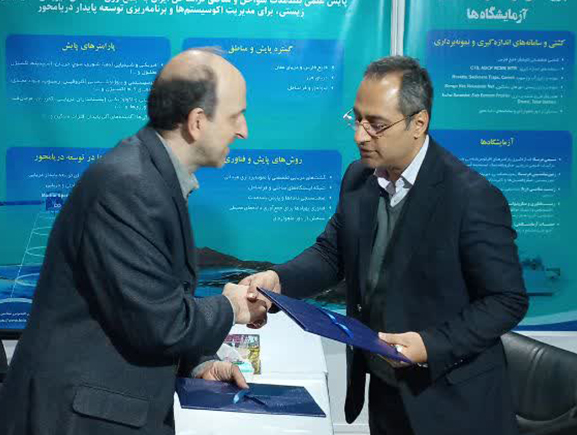
Signing of a memorandum of understanding on scientific, educational and research cooperation between the National Research Institute of Oceanography and Atmospheric Sciences and the Research Institute of Seismology and Earthquake Engineering
On the sidelines of the exhibition of research achievements, technology and technology market, a memorandum of understanding on scientific, educational and research cooperation between the National Research Institute of Oceanography and Atmospheric Sciences and the International Research Institute of Seismology and Earthquake Engineering was signed on Saturday, December 22.
According to the public relations report of the research institute, this memorandum was concluded after holding joint specialized meetings with the aim of developing and strengthening scientific and research cooperation in the field of natural hazards and provides a framework for using the scientific, laboratory and human resources capacities of the two research institutes.
According to the provisions of this memorandum, the implementation of joint research projects in areas such as earthquakes, tsunamis, climate changes, coastal dynamics and management, assessment and modeling of combined risks, risk and crisis management will be on the agenda of the parties. Also, the design and implementation of graduate education courses and interdisciplinary educational activities are among the other axes of cooperation.
In the framework of this cooperation, the possibility of mutual use of data, research infrastructure, laboratory and software equipment and facilities of two research institutes will be provided, and in order to coordinate and monitor the implementation of the programs, a joint committee consisting of representatives of the parties will be formed.
This memorandum is valid for five years and can be extended if the parties agree. It is worth mentioning that this joint cooperation is an effective step in the direction of developing applied research, reducing natural hazards, promoting social resilience and providing scientific solutions for the sustainable management of coasts and earthquake-prone areas of the country.
