Message of Dr. Ali Mahdinia, Head of the National Research Institute of Oceanography and Atmospheric Sciences on the occasion of the International Day of the Caspian Sea
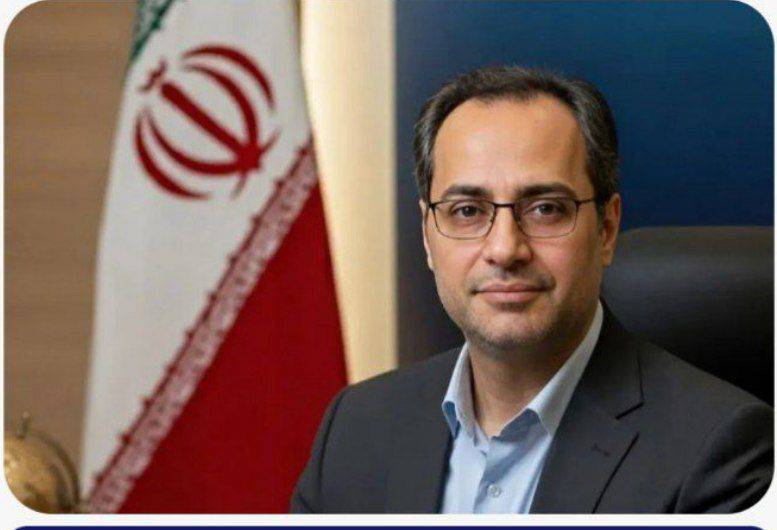
On August 21, Caspian Sea Regional Day, we congratulate all researchers, experts, environmental activists, coastal communities and people of the countries around this sea.
The Caspian Sea is one of the most important water bodies in the region, which plays an essential role in the formation and continuation of the economic, social and environmental activities of the surrounding countries. Living resources, aquatic reserves, beaches and related wetlands, transportation and tourism capacities, energy resources, as well as its natural and historical values, have turned this sea into a common capital for today and future generations. Therefore, its protection and sustainable exploitation requires accurate scientific knowledge and decision-making based on data and evidence.
Today, the Caspian Sea is facing a series of interconnected challenges; Changes in water level and sea temperature, changes in hydrological and climatic regimes, pollution caused by coastal and land-based activities, the introduction of emerging pollutants and microplastics, changes in biological communities and aquatic resources, destruction of coastal habitats, algae blooms, and geological and coastal hazards are only part of the issues that affect the future of this water area. The complexity of these issues also comes from the fact that many of them are not limited to political borders and their consequences show themselves on the scale of the whole basin.
In such a situation, scientific and regional cooperation between coastal countries, with the participation of universities, research institutions, executive bodies, environmental and natural resource trustee organizations, local communities and other stakeholders, is an inevitable necessity. Coordinated monitoring, data and information exchange, development of joint research programs and creation of joint mechanisms to assess environmental changes can provide the basis for a better understanding of Caspian developments and making more effective decisions in the field of its protection and sustainable exploitation.
The National Research Institute of Oceanography and Atmospheric Sciences has devoted part of its scientific and research capacity to the study and monitoring of the Caspian Sea. The researchers of the research institute have studied this sea in various fields, including physical oceanography and the study of water circulation and structure, the study of temperature and salinity and water level changes, hydrochemistry and water quality, sedimentology and geochemistry, the study of pollutants, biodiversity and planktonic and benthic communities, aquatic resources, marine and geological hazards, and the use of satellite data and modern monitoring methods.
A part of this research is dedicated to understanding the structure and dynamics of the South Caspian waters and the processes affecting the renewal and displacement of water bodies, water level changes and the response of the sea to atmospheric factors. In the chemical and environmental field, the examination of dissolved oxygen, nutrients and water quality, the study of the entry and release of pollutants and emerging pollutants, and the assessment of the state of sediments have provided a more accurate picture of the processes affecting the health of the marine environment.
In the biological field, the research institute's studies have helped to understand the changes in phytoplankton and benthosic communities, investigate the changes in the biological structure, and evaluate the ecological status of coastal areas. In addition to these studies, the use of remote sensing capabilities to monitor changes in water surface temperature, chlorophyll and other environmental indicators, as well as research on sediments, ancient environmental changes and hazards such as submarine landslides and waves caused by them, have formed other dimensions of the research institute's scientific activities in the Caspian Sea.
This set of studies, in addition to developing scientific knowledge about the Caspian, can be a basis for continuous monitoring, assessment of the environmental situation, identification of change trends, risk prediction and scientific support for management decisions. However, the continuation of this path requires the development of monitoring networks, the completion of long-term data, the use of new technologies of remote sensing and observation, and most importantly, the strengthening of cooperation and data exchange on a regional scale.
The National Research Institute of Oceanography and Atmospheric Sciences is ready, within the framework of its scientific missions, to cooperate with the scientific institutions of the coastal countries in the development of joint research and monitoring programs of the Caspian Sea, and also to use its scientific and specialized capacities to provide advice, conduct applied studies, monitor and evaluate the environmental situation, and respond to the research needs of executive bodies and related organizations inside the country.
It is hoped that by relying on the knowledge and experience of the researchers of the coastal countries and with the effective participation of all stakeholders, we will be able to gain a more accurate and comprehensive understanding of the developments of the Caspian Sea and provide the basis for environmental protection, responsible use of resources and the transfer of this valuable natural heritage to future generations.
Happy Caspian Sea Regional Day.